

What We Do
We help coffee reach Europe with its origin documented: which plot it comes from, who grew it, and what price they received for it.
We work with exporters and cooperatives at origin to prepare and review the data the EUDR requires. With European roasters and importers, we work on what to ask for and how to check what they receive. No reliance on certification labels, and no producer losing control of their data.
Why We Exist
For years, the coffee industry has built certification labels so it wouldn’t have to look closely at origin. Certifications let buyers feel at ease without knowing anything: not where the coffee came from, not who grew it, not how much they were paid.
Now Europe demands exactly what those labels never proved. The EUDR requires proof, with coordinates and documents, that coffee doesn’t come from land deforested after 2020. A logo is no longer enough.
That could be an opportunity: for the first time, the law requires coffee to say where it comes from. That same data can also tell who grew it and how much they were paid.
But we also see the risk. The cost of proving it could fall entirely on those with the thinnest margins, and “deforestation-free” coffee could end up coming only from large farms with the capacity to manage data. The law meant to protect forests could push out of the European market the very people who protect them.
We work to make sure that doesn’t happen.
Who Is Behind This
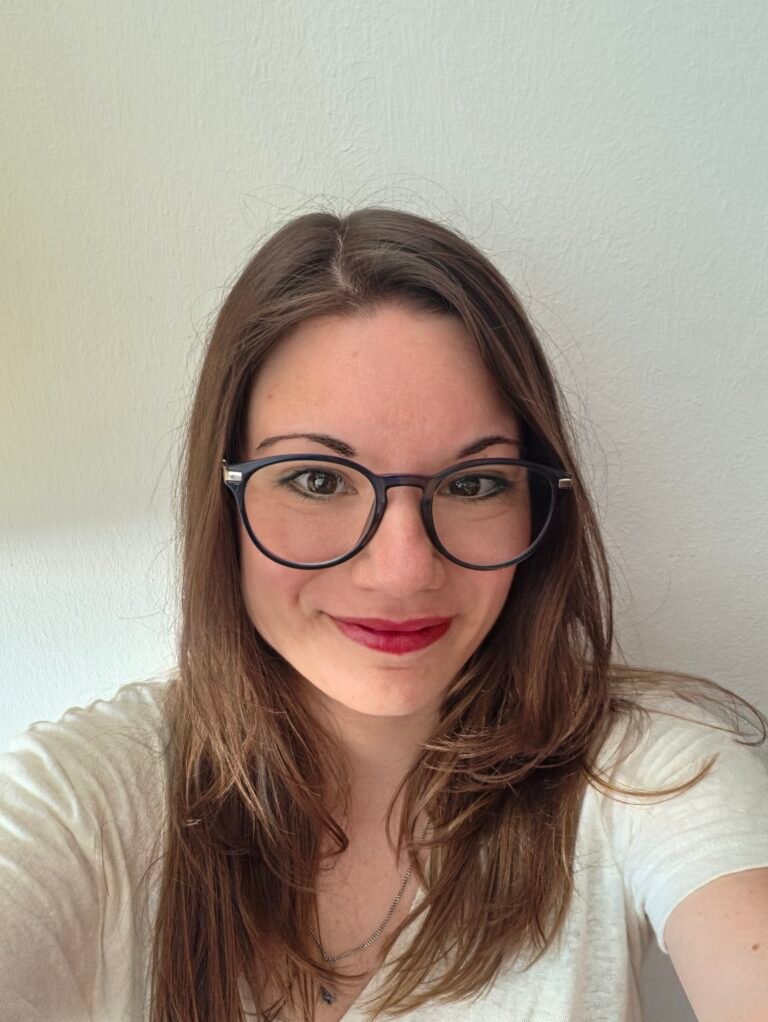
I’m Marta.
I started in a crêpe shop in London where coffee was just one more line on the menu. One training day changed how I saw it: behind every cup were stories, cultures and some deep inequalities. What struck me most was the contrast between the countries that grow coffee with endless effort and those of us who drink it almost without thinking.
Then came years in specialty coffee shops in London, Madrid and Barcelona. All of them talked about fair trade and transparency. In none of them did I find a real connection to the farms.
Today I work in operations and supply chain, and I apply that to coffee: documentation, traceability and processes. In 2026 I travelled to Ethiopia to understand the EUDR from the inside, talking to exporters, suppliers and farmers.
Same obsession as back then, better tools.
How We Work
The data belongs to the producer. If a farmer walks the boundary of their farm, that polygon is theirs. Not the exporter’s, not the importer’s, not ours.
Traceability without price is incomplete. Documenting origin without documenting what the producer was paid meets the letter of the law without solving the problem.
We review data, we don’t watch people. We check that the information is correct before it travels. We don’t monitor anyone.
We know who’s in the middle. We don’t cut out intermediaries on principle. We work with the ones who add value and know their producers.
We don’t promise what we haven’t tested. If something is under construction, we say it’s under construction.
Traceability you can actually verify.
We help European roasters meet the EUDR with real origin data, documented directly with the cooperative, without chasing exporters who never reply.
You don't have to figure this out alone.
At A Coffee & A Story we help coffee farmers and cooperatives document their traceability the way Europe now requires: geolocation, harvest records, proof of origin, without the technical jargon or the cost of entry. Tell us about your farm and we’ll show you what the first step looks like.
These are the kind of stories we tell.
A Coffee & A Story exists so coffee can be told with the truth up front: origin, fair pricing, real traceability. If you share this view, come along with us.